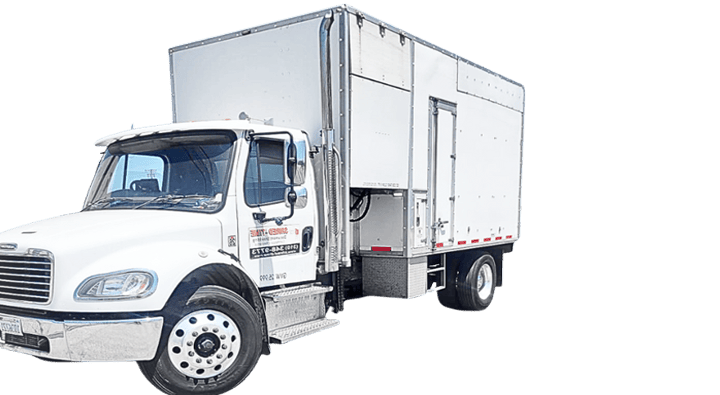
Healthcare providers must securely destroy any paper record containing protected health information (PHI) using methods that render it unreadable and unrecoverable. Medical document shredding protects patient privacy, satisfies HIPAA requirements, and prevents costly data breaches. Let’s explore why medical records destruction matters, which documents need to be shredded, how to prepare them for disposal, and whether your practice should handle healthcare document shredding in-house or bring in a professional service.
Why Medical Documents Require Secure Destruction
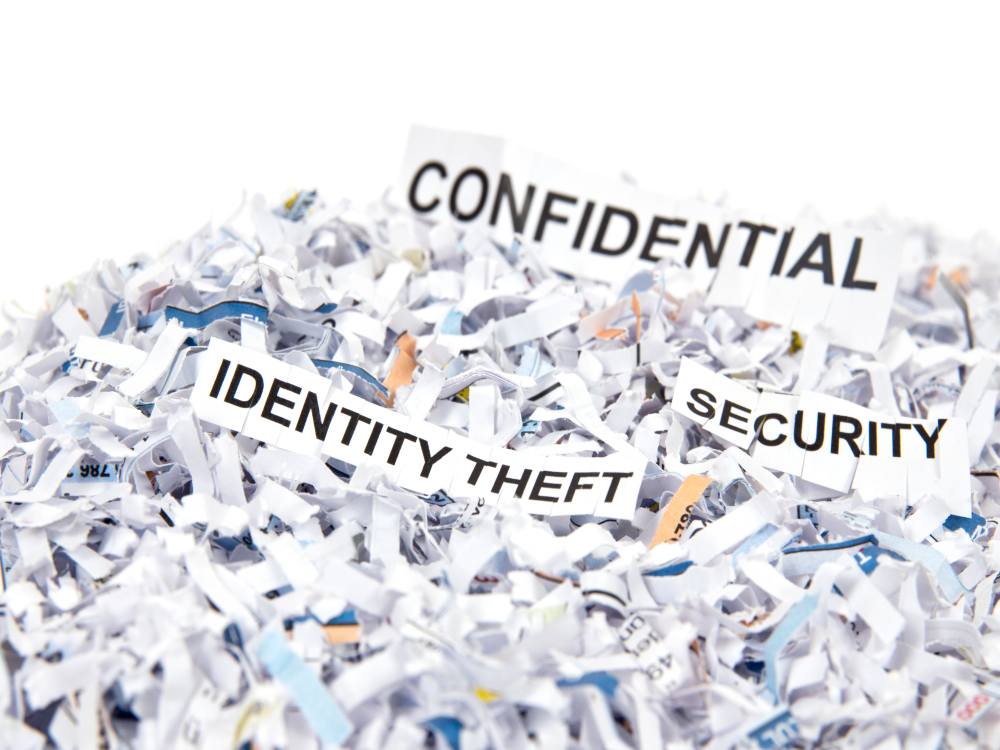
Patient records contain more than just medical history. They typically include Social Security numbers, dates of birth, home addresses, insurance details, and financial information. When this data falls into the wrong hands, patients could face identity theft, insurance fraud, and financial harm. Beyond the ethical obligation to protect patients, healthcare providers are legally bound by the Health Insurance Portability and Accountability Act (HIPAA) to safeguard patient health information throughout its entire lifecycle, including disposal. Failing to meet this standard can result in fines from the Department of Health and Human Services (HHS), civil penalties, patient lawsuits, reputational damage, and an increased risk of identity theft tied to your practice. Improper disposal is often the least visible point of failure in a healthcare organization’s data security plan and the most damaging. Documents tossed in a regular trash or recycling bin can be recovered by anyone willing to dig through it, particularly in urban areas where document scavenging is a known issue. This is why HIPAA-compliant shredding is a baseline requirement for any organization handling patient information.Which Medical Documents Should Be Shredded?
Nearly any paper record that identifies a patient or includes their health information qualifies for destruction once it’s no longer needed. Common examples include:- Patient medical records and clinical files
- Printed charts and patient summaries
- Billing statements, explanation of benefits, and insurance documentation
- Prescription pads and medication records
- Appointment schedule and intake forms
- Lab reports, diagnostic test records, and imaging documents
- Any paperwork containing Social Security numbers, addresses, or dates of birth
- Outdated, incorrect, or duplicate patient files
- Records that have passed their required retention period
How to Prepare Medical Documents for Shredding
Getting ready for medical records shredding doesn’t require a complicated process, but it does require consistency. Follow these steps to keep your practice organized and compliant:- Sort by Retention Status – Confirm which records have passed their required retention period. Retention timelines vary by state and specialty, but many practices keep records up to ten years before destruction.
- Restrict Access Before Disposal – Limit who can handle records slated for shredding to reduce the chance of accidental exposure or misplacement.
- Use Locked Collection Containers – Secure bins placed throughout your facility allow staff to dispose of documents at the point of use without leaving them exposed on desks or in open trash cans.
- Avoid Removing Staples or Paperclips – Industrial shredders are built to handle these. There’s no need to spend staff time prepping documents beyond sorting.
- Document the Process – Keep a log of what’s being destroyed and when, especially for compliance audits.
Professional Medical Document Shredding vs. DIY Shredding
It’s tempting to think an office shredder can handle the job, but consumer-grade equipment falls short of HIPAA’s destruction standards in several ways. Here’s how professional medical document shredding compares to DIY shredding:- Reconstruction Risk – Basic strip-cut shredders can leave documents readable or reconstructable, which doesn’t meet HIPAA’s requirement that PHI be rendered completely unreadable.
- Volume Limitations – Office shredders jam easily and can’t handle the volume most healthcare practices generate.
- No Documentation – Professional medical document shredding services provide a Certificate of Destruction, verifying the date, method, and location of disposal. A DIY approach leaves you without this compliance record.