Learn What to Shred in Los Angeles, CA
Identity theft and data breaches are real risks, especially when sensitive papers sit unprotected in recycling bins, trash cans, or old file rooms. Knowing exactly what to shred helps you protect yourself, your employees, and your business. Here’s a breakdown of the types of documents that need secure destruction in Los Angeles, CA, and why.
Why Shredding Certain Documents Matters
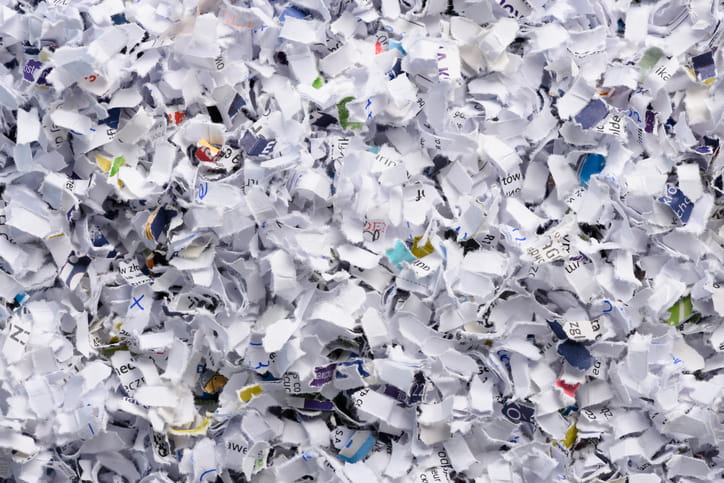
Discarding paper carelessly can expose personally identifiable information (PII), financial details, and regulated data. Without proper disposal, criminals may access:
- Social Security or tax ID numbers
- Bank and credit card account information
- Medical and insurance data
- Legal and human resources documents
Key Types of Documents That Require Shredding
From financial documents and medical bills to identification and business records, there is a long list of items you should destroy. Here is an overview of the different documents you should be sure to dispose of securely:
Personal and Financial Documents
- Bank statements, canceled checks, and deposit slips
- Credit card bills, pre-approved offers, and expired cards
- Pay stubs, W-2s, or other payroll documents
- Tax returns and supporting tax documents after the required retention period
Medical, Insurance, and Healthcare Records
- Medical bills, insurance statements, and prescription labels once paid and no longer needed
- Medical reports, patient histories, and any document with protected health information (PHI)
Personal Identification and PII
- Documents containing Social Security numbers or birth dates
- Expired or unused government IDs, passports, driver’s licenses, or ID cards, especially if they include your signature or address
- Résumés, job applications, and personnel documents that include your personal details
- Documents with your passwords, PINs, or signatures
Business and Corporate Records
- Employee personnel files, like performance reviews, background checks, and I-9 forms
- Payroll records, employee evaluations, and disciplinary reports
- Corporate financial statements, profit/loss reports, audits, and tax documentation
- Client/customer lists, contracts, proposals, and sensitive correspondence
- Legal documents such as court filings, non-disclosure agreements, and proprietary business plans
Miscellaneous Sensitive Papers
- Utility bills, account statements, and receipts with identifying data
- Junk mail containing pre-approved offers, address labels, or phone numbers
- Travel itineraries, expired airline tickets, and used boarding passes
Creating a Document Disposal Strategy
To manage shredding effectively, consider developing a document retention and destruction schedule. This should involve:
- Retention Period Determination – Follow industry best practices and regulatory guidelines to decide how long to keep different document types. For example, some financial records may be retained for seven years before shredding.
- Immediate Shredding Triggers – Identify documents that should be shredded as soon as they are no longer needed.
- Regular Audits and Reviews – Periodically review stored files and archives. When retention times lapse, schedule professional shredding to securely dispose of outdated or unnecessary records.
- Secure Disposal Policy – Implement a “shred-all” policy for any paper containing sensitive data. This approach minimizes confusion about what to destroy.
Why Use Professional Shredding Services
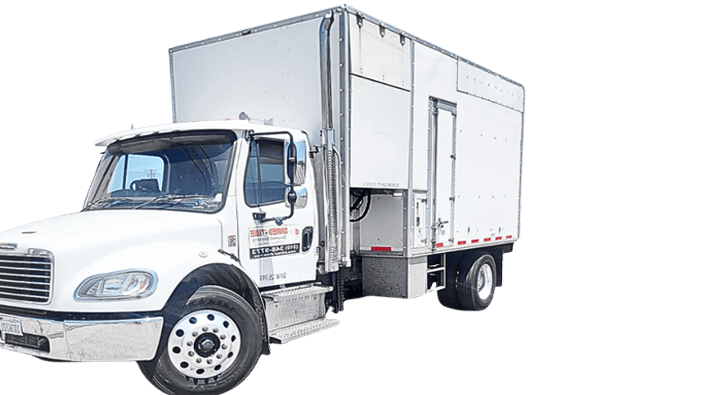
While home shredders are useful, they often cut in strips that can be reassembled. Professional shredding companies use industrial cross-cut or micro-cut machines, making reconstruction virtually impossible. In addition, at Shred Time, we provide:
- Chain-of-custody controls to ensure secure handling
- Certificates of Destruction to confirm compliant disposal
- Recycling of shredded paper to support sustainability goals
Frequently Asked Questions
Determining what documents to shred is crucial to your security. Here is some additional information to consider: